
Opposition to Demolition of the Historic Methodist Church - McMinnville
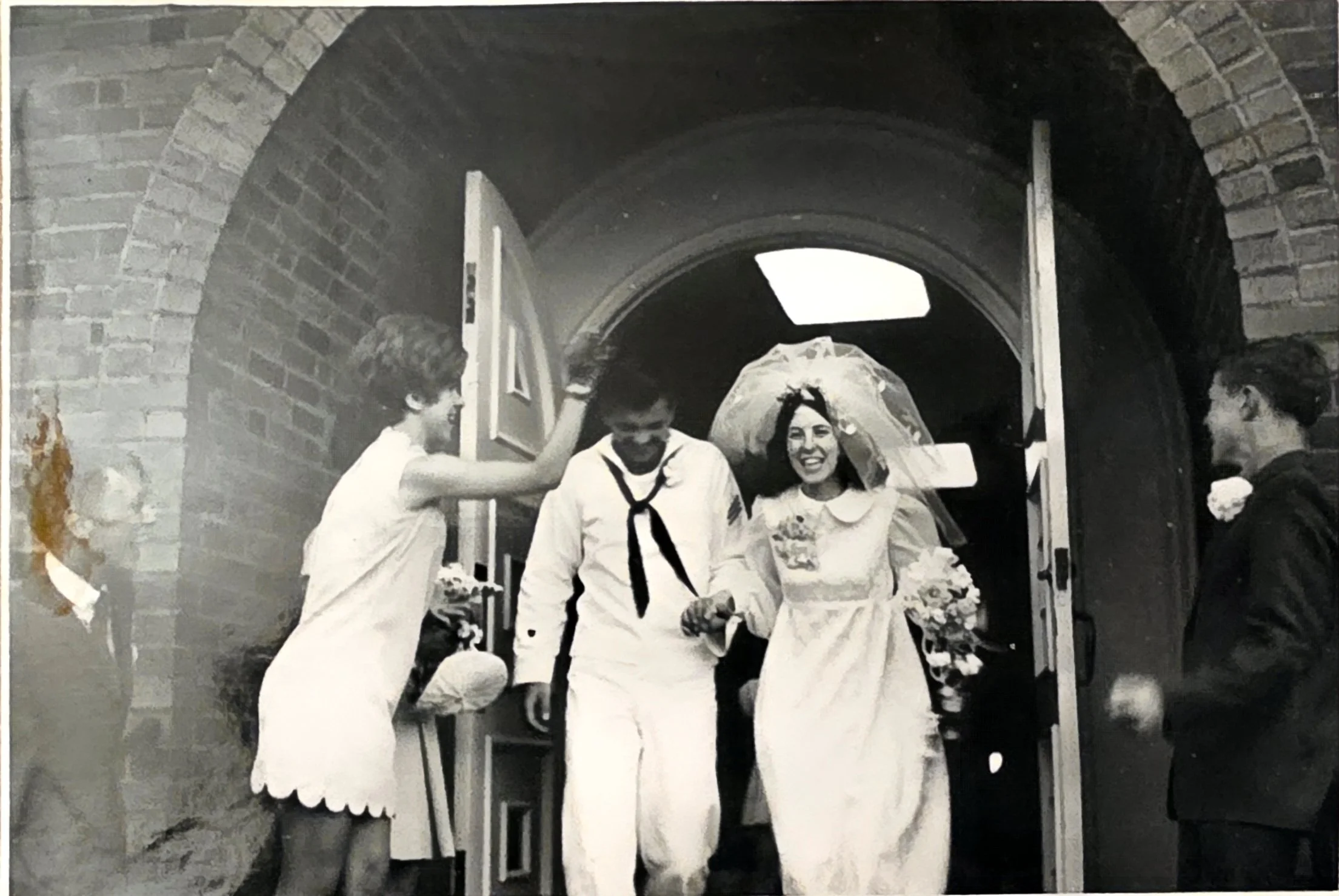
(Wedding of Bob Andrews & Margaret Millegan in 1970 - JW Millegan on right - at the Historic Methodist Church in McMinnville, Oregon)
As submitted & written by JW Millegan
Historic Landmarks Committee
City of McMinnville
Community Development Department
231 NE Fifth Street
McMinnville, OR 97128
Re: HL 1-26 / DDR 1-26 — Opposition to Demolition of the Historic Methodist Church (B852)
Hearing Date: April 23, 2026
VIA Email: evan.hietpas@mcminnvilleoregon.gov
Dear Chair and Members of the Historic Landmarks Committee:
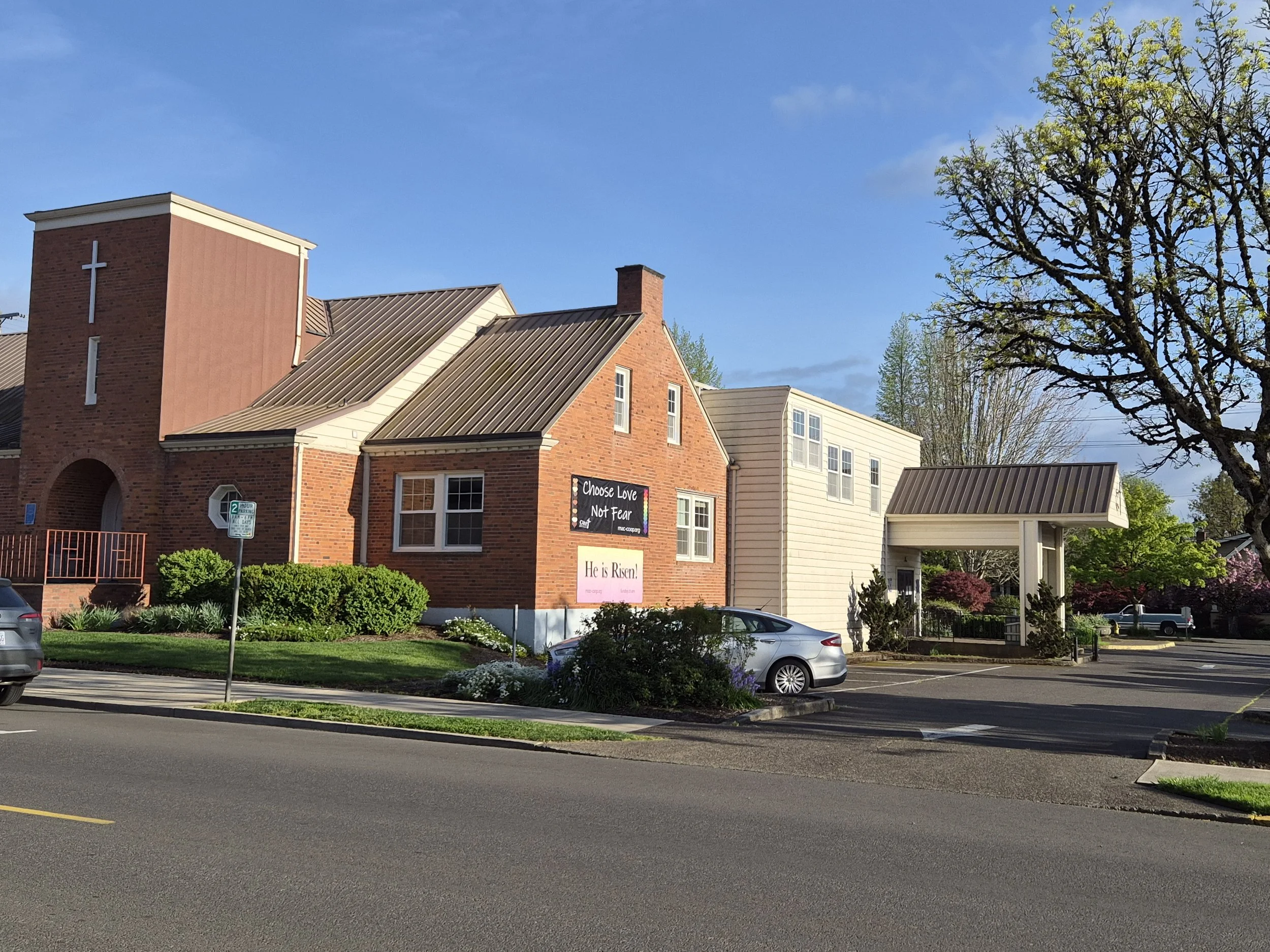
(The Historic Brick Church with addition in the background)
I strongly support redevelopment of the block and I strongly support new affordable housing downtown, especially in light of McMinnville’s severe rent burden and the clear direction in the Comprehensive Plan to focus higher-density housing in the downtown core near services and transit. My objection is not to housing; my objection is to the unnecessary destruction of the historic 1941 brick portion of the church when a preservation-based alternative exists that can deliver equal or greater housing benefits to both the City and the Developers. The better result is a mixed-use redevelopment that retains the historic church, removes the more modern addition, and builds more housing around the historic structure.
The City’s own staff report confirms that the original 1941 brick church remains the historic resource and that, if the later addition were removed, the older building could qualify for National Register treatment. That is decisive evidence that the historic value lies in the original church, not in the newer addition. Approving demolition of the historic core while preserving the later, less significant portion would invert preservation logic, defeat the purpose of the city code, Oregon’s historic-resource protection rules, and is not supported by the recently enacted state housing law, Oregon Laws 2024, chapter 110(SB 1537).
Personal Statement
My opposition is also deeply personal and rooted in long-standing connection to the property. I grew up in this church, and my family was deeply involved in its life. My parents were active in the congregation, and my father served as a diaconal minister at the church in the past, including on the committee that decided to keep the church downtown.
I also bring substantial professional experience in land use planning. I have worked for the Land Conservation and Development Commission (LCDC) helping develop land use plans across Oregon, including work with the City of McMinnville. I have also helped protect more than 1,000 historic structures across the state, and I have extensive experience in commercial land use development. That background gives me a practical and legal understanding of how redevelopment and preservation can and should coexist.
This is not an abstract historic resource to me. It is part of my family’s history, my professional experience, and McMinnville’s civic history. The preservation code exists precisely to protect resources like this one—places that anchor memory, identity, continuity, and community character.
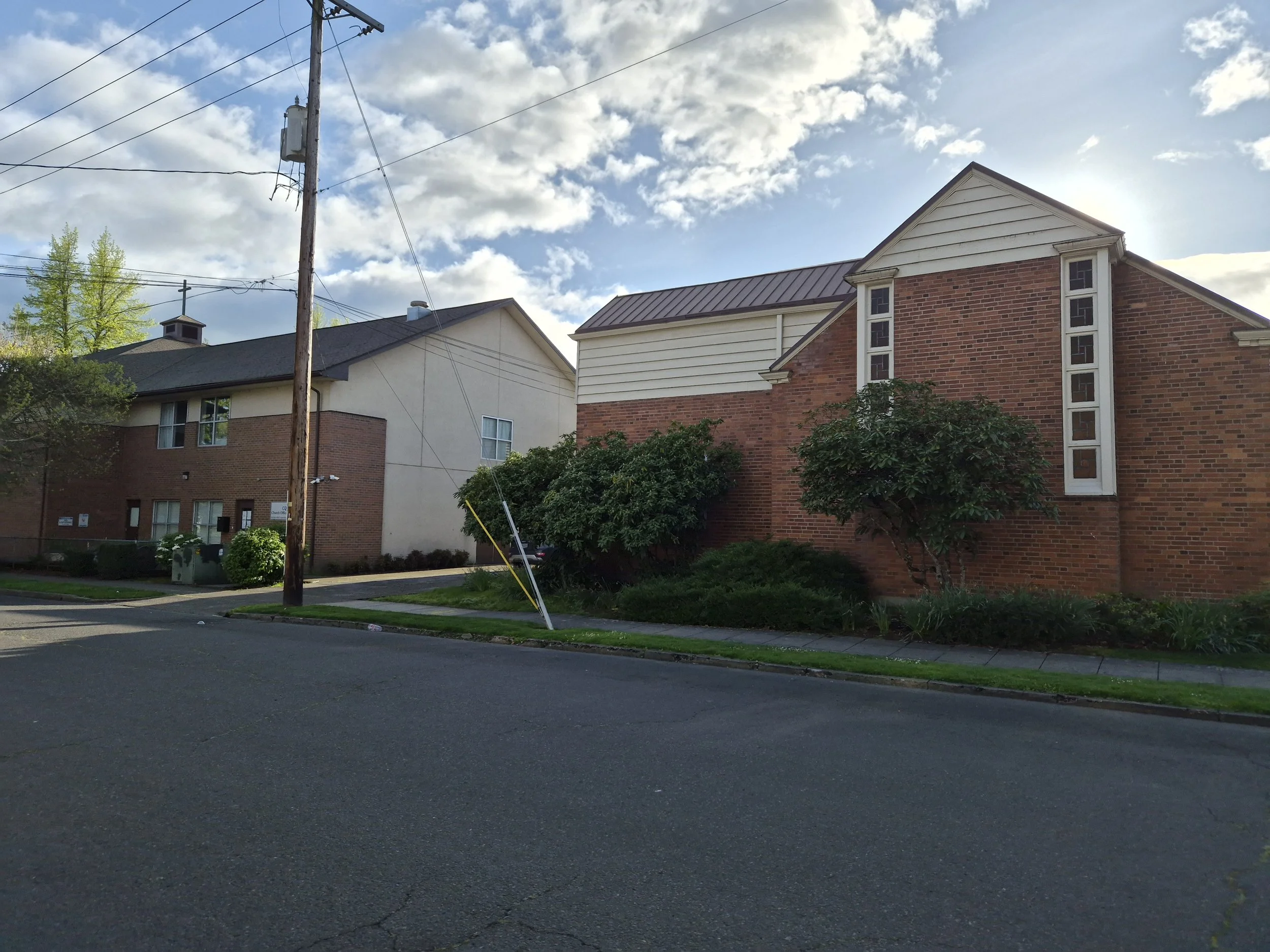
(Newer structure on the left & the Historic Church on the right)
The Record Shows the 1941 Brick Church Is the Historic Resource
The staff report acknowledges that the older church building is the historically significant element and that the later addition reduces integrity rather than creating it. The report further states that if the addition were removed, the 1941 building could qualify for National Register consideration. That concession is critical.
The legally and logically appropriate response is to remove the later addition and preserve the original historic building. It is not to demolish the historic core and retain the newer portion. The applicant’s proposal therefore seeks to eliminate the very part of the site that the record shows has the historic value.
SB 1537 / Oregon Laws 2024, Chapter 110 Does Not Require Demolition
The Legislature enacted Oregon Laws 2024, chapter 110 (SB 1537), which includes new state tools to support housing production. Section 38 of SB 1537 requires cities, under specified circumstances, to grant up to 10 distinct “adjustments” to certain development standards—such as height, setbacks, lot coverage, open space, and parking—when those adjustments are necessary to enable “development of housing that is not otherwise feasible due to cost or delay resulting from the unadjusted land use regulations.”
Nothing in SB 1537 or chapter 110 creates a right to demolish historic resources or overrides McMinnville’s historic preservation standards in MMC 17.65.050. The statute is framed as an adjustment mechanism for development standards, not as an exemption from local demolition review, and it does not repeal or supersede Oregon’s existing Goal 5 historic resource protections.
In fact, SB 1537 provides the tools to achieve both goals here:
The City can use the new adjustment authority (for setbacks, lot coverage, height, open space, parking, etc.) to make an affordable housing project financially feasible on this site.
Those adjustments can be applied in a way that retains the 1941 brick church, removes the later addition, and allows dense affordable housing to be constructed around and behind the historic structure.
In other words, the new state law makes it easier—not harder—to design a project that both meets McMinnville’s acute affordable housing needs and preserves its most important downtown historic resources. Using SB 1537 as a justification for demolition of the historic core would misread the law and miss its core purpose of removing regulatory barriers, not heritage.
The Application Does Not Satisfy MMC 17.65.050
McMinnville’s demolition criteria require a real evidentiary showing, not a general preference for redevelopment or an abstract reference to state housing policy. The Committee must consider the economic use of the resource, its value and significance, whether it is a deterrent to an improvement program of substantial benefit, whether retention would cause hardship, and whether retention is in the best interests of the citizens of the City. The applicant has not carried that burden.
Economic use and reasonableness
The record does not show that the historic church is incapable of continued use or adaptive reuse. On the contrary, the applicant’s own materials and the staff report suggest that the historic portion can be retained if the addition is removed, and that redevelopment can still proceed. That means demolition of the historic core is not the only reasonable path. Under SB 1537, the City can further adjust development standards to improve feasibility without sacrificing the church.
Value and significance
The staff report confirms the 1941 building remains historically important and potentially eligible for National Register treatment once the addition is removed. That is evidence of significance, not insignificance. The code does not permit the City to discount the historic core simply because a newer addition reduced integrity, especially where the addition can be removed and the original building’s integrity enhanced.
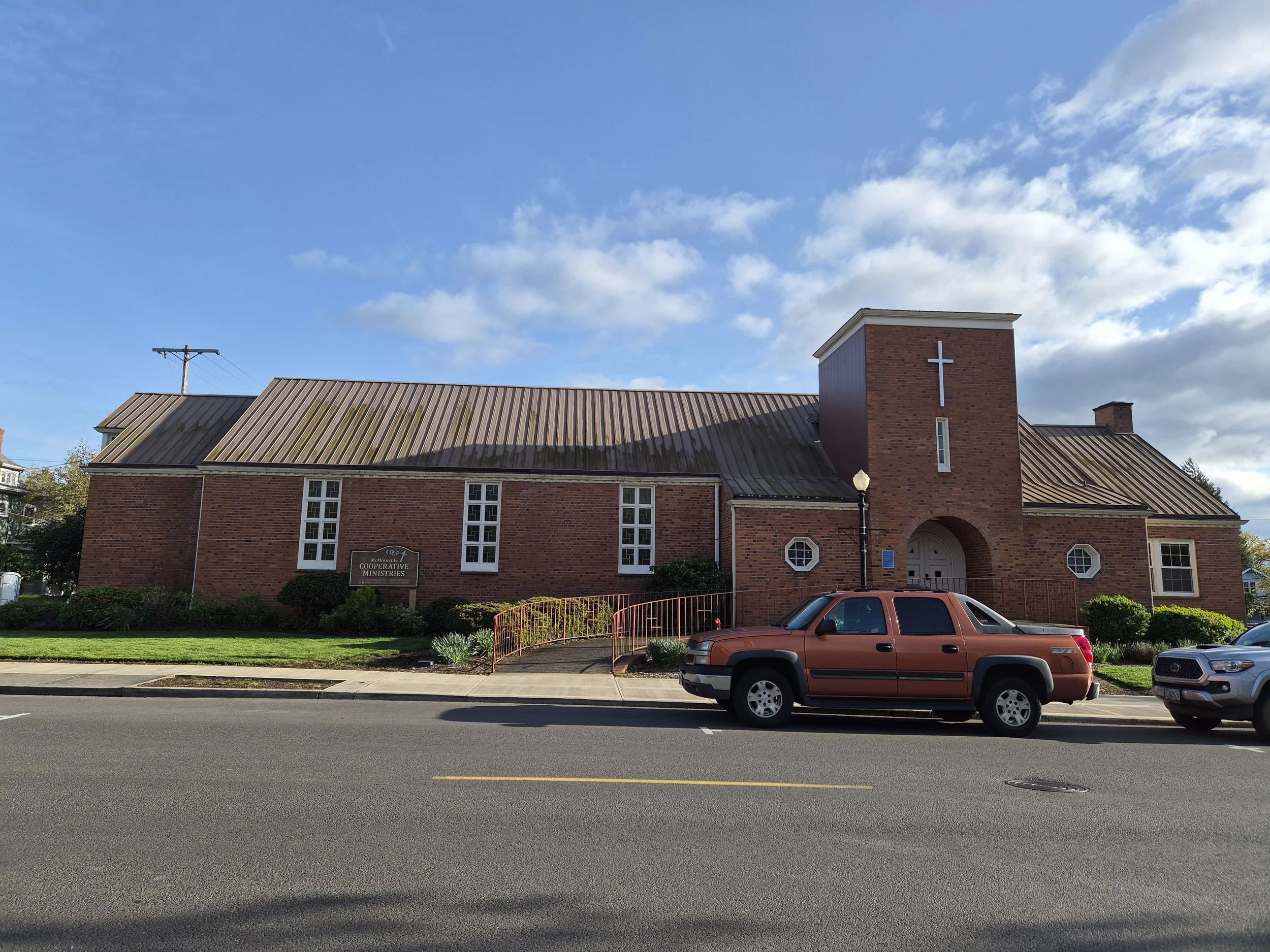
(The Historic Church facing 2nd Street McMinnville)
Substantial benefit to the City
The applicant’s housing proposal is an important public benefit, and I support the goal of creating deeply affordable units on this block. But MMC 17.65.050 does not create a housing exception to historic preservation, and SB 1537 does not erase the requirement to apply the City’s demolition criteria. If redevelopment alone were sufficient, any historic structure could be removed whenever a denser project became available, which would make the preservation code meaningless.
SB 1537 points toward a different solution: using its adjustment provisions to increase height, coverage, or reduce parking and open space where appropriate, thereby supporting an even more efficient and affordable housing project while keeping the historic core in place. That approach strengthens, rather than weakens, McMinnville’s ability to meet both its housing and preservation goals.
Financial hardship
The record does not establish that retaining the historic church would impose hardship sufficient to overcome the public interest in preservation. A project may be less convenient, less efficient, or less profitable while still being feasible. That is not the legal standard. The applicant must prove actual hardship, not just a preference for a cleaner development footprint. With the new flexibility provided by SB 1537, the argument that the project is not feasible unless the historic core is demolished is even less convincing.
Best interests of the citizens
The best interests of the citizens are served by preserving the landmark and allowing redevelopment to work around it, especially when state law has given cities new tools to make affordable housing feasible without erasing significant historic fabric. The church is a visible, meaningful, and irreplaceable piece of McMinnville’s character. Demolishing the historic core would erase a community asset that can still contribute to downtown vitality as part of a new mixed-income neighborhood.
The Applicant’s Rationale Is Backwards
The City’s staff report effectively acknowledges that the historic value is in the older building, but the application asks for the opposite result: demolish the older historic building and keep the newer addition. That is backwards from a preservation standpoint.
If the newer addition is the less significant element, then it should be the element removed. If the original 1941 brick church is the significant historic resource, then it should be retained. Anything else turns preservation policy on its head and allows the least historic part of the property to become the basis for destroying the most historic part.
SB 1537 underscores this point: its adjustment tools are meant to solve exactly the kind of design and feasibility challenges the applicant cites (setbacks, lot coverage, height, parking), so that projects do not have to choose between housing and heritage. The law points toward a more creative solution, not toward demolition of what the record identifies as the historic resource.
A Superior Alternative Exists
A preservation-based alternative is plainly available: remove the later addition, retain the original 1941 brick church, and design new housing around the historic core. That alternative would preserve the site’s historic character while still allowing substantial redevelopment and additional housing.
By applying SB 1537’s adjustment authority to increase height and lot coverage and to reduce certain open space or parking requirements where appropriate, the City can help the applicant achieve a financially viable project that delivers much-needed affordable homes without sacrificing the church. This is exactly the kind of integrated solution the Legislature contemplated when it created the Housing Accountability and Production Office and expanded local flexibility for housing production.
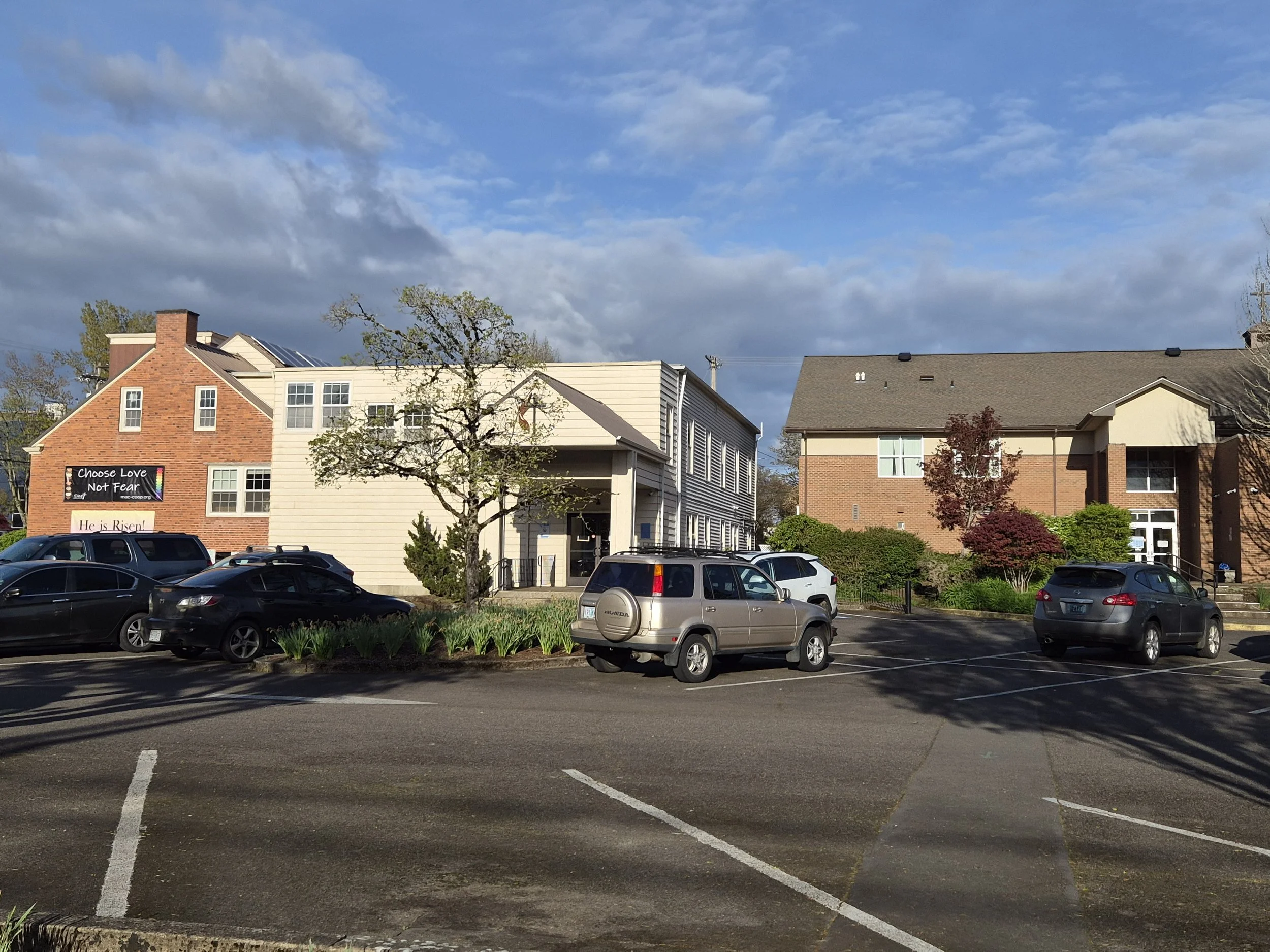
(Historic Church on the left, addition in the middle, & newer structure on the right)
This is not a sentimental preference. It is the best planning outcome. It preserves the landmark, supports housing production, takes full advantage of new state housing tools, and avoids setting a damaging precedent that historic significance can be erased whenever a redevelopment proposal is more profitable or easier to build.
Parking and Transit
I also support a reduced parking requirement for this project. The site is downtown and is only two blocks from the McMinnville Transit Center, which Yamhill County Transit identifies as the county’s transit hub. A compact, dense downtown with less surface parking is more walkable, more functional, and more sustainable.
We live at 624 NE 2nd Street, only one-half block from the site, so we are directly affected by the project’s impacts. From that local perspective, parking is not the core issue. In fact, a more compact downtown with fewer parking lots would make the area better and more viable. That is a reason to support smart redevelopment, not a reason to destroy the historic church.
Public Policy Supports Preservation
McMinnville’s historic preservation materials state that the City adopted regulations and procedures for alteration and demolition because the Historic Resources Inventory is intended to protect structures and sites significant to the city’s history, architecture, or setting. The City also states that changes to most structures on the inventory typically require formal review before exterior alteration or demolition. Those policies exist to prevent exactly this type of irreversible loss.
Oregon Laws 2024, chapter 110 adds to this framework by providing new state-level tools to facilitate housing, not by undoing local historic protection. The HLC should not create a precedent that a historic core may be demolished simply because a later addition exists and a redevelopment plan is more attractive, particularly when state law now offers a clear path to adjust development standards instead. If the church can be retained through a redesign, the Code, public policy, and SB 1537’s intent all favor retention.
Conclusion
For the foregoing reasons, I respectfully request that the Historic Landmarks Committee:
Deny HL 1-26 and refuse approval of demolition of the historic 1941 brick church.
Require a preservation-based redesign that retains the historic church and removes the later addition, taking full advantage of SB 1537’s adjustment tools to maintain project feasibility and housing yield.
Support a reduced parking framework consistent with downtown conditions and transit access.
Direct the applicant to return with a revised proposal that preserves the historic core while still allowing meaningful—and potentially greater—affordable housing development consistent with Oregon Laws 2024, chapter 110.

(JW Millegan inside the Historic Church - c. 1970)
Respectfully submitted,
JW Millegan

